

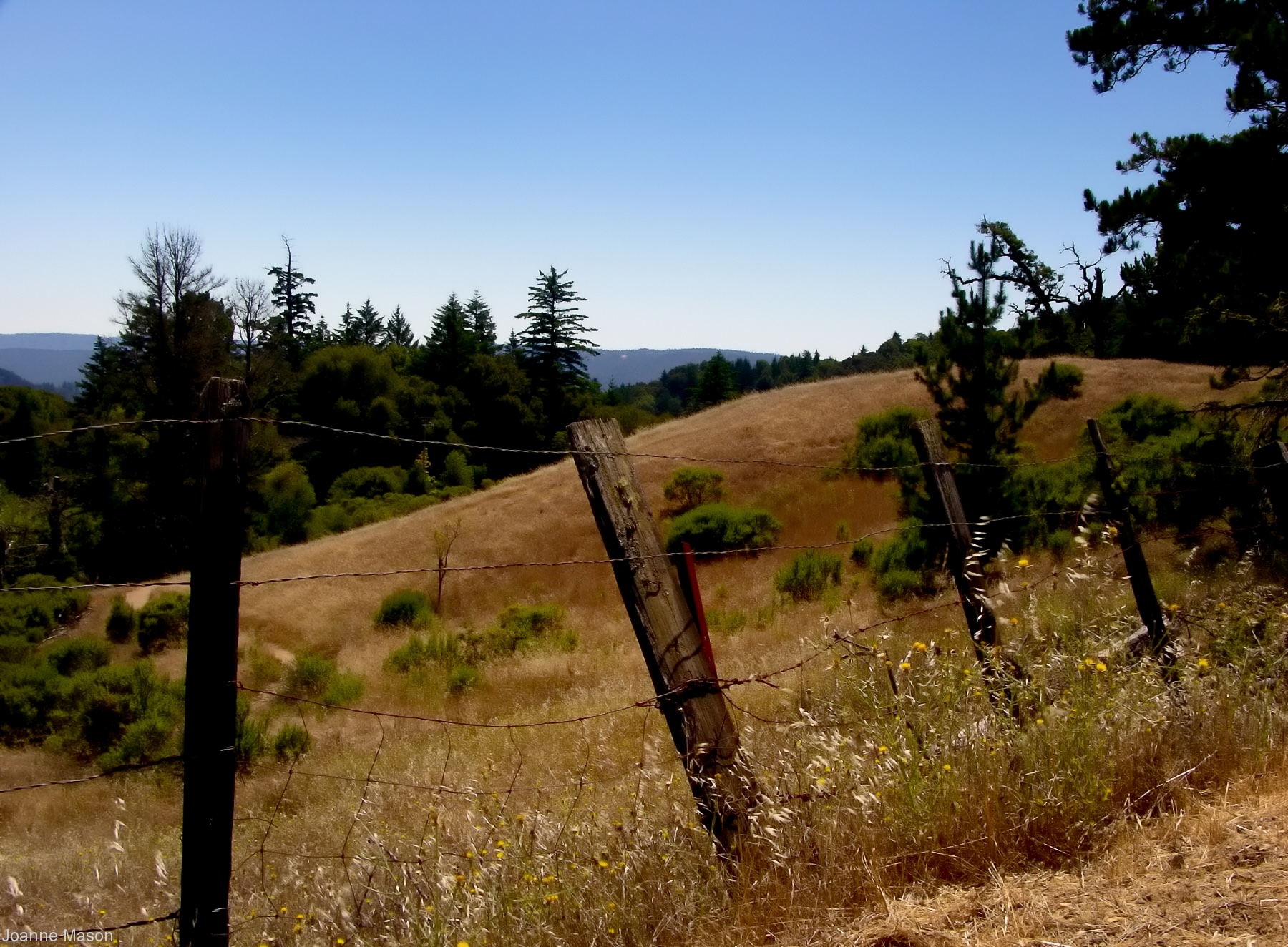
There are various ways to characterize framing photographs. For instance, in landscapes, I almost always try to have substantive elements in the foreground, distinct and in front of my subject, to frame the main subject. This tends to create a spatial dimension to the photograph. I’m usually less concerned with the background, although instinctively I try to isolate the subject against the background. Of course, framing a landscape photo is completely different from framing a macro or closeup shot. And in shooting subjects like flowers and plants, the existence of background and foreground are sometimes implied by blurring, which highlights the image subject. Color can also be used to highlight subjects and separate subjects from a field, creating the spatial dimension.
For this week’s Lens Artists Challenge, Patti Moed asks us to analyze the framing of images in terms of foreground, middle ground (or subject), and background. It’s a great challenge theme, so here goes.

The featured image above and to the left is “Santa Cruz Mountains in Summertime.” The Santa Cruze Mountains are roughly in midcoast California. Although the mountains were devastated by fire several years ago, this image was shot a number of years before that.
What I was most interested in here was the golden hue of the grass-covered hills. So that would be my subject, or the middle ground in the image. The trees in the distance constitute background. The fence is critical to establishing the spatial dimension and the scale of the photograph. So the fence, with the weeds along in front, constitutes the foreground.

In this image, “Valley of the Acamo,” in New Mexico, the structure is clear, but there are two ways of deconstructing it. The mesas and hills in the distance constitute the background. In one analysis, the sweep of flat plain is also part of the background. The middleground is the vertical rocks, part of an ancient mesa, or the subject of the photograph. The sections of flat rock jutting out in front comprise foreground. Alternatively, we can say that the subject of the photograph includes the sweep of flat land with sparse vegetation. In that case, the rocks could also be part of that subject, or part of the foreground. Both are quite valid.

This photo, “Spring Pond,” is quite “busy.” Again, we can analyze this in a couple of ways. Most obviously (because it’s in the title!), the pond is the subject of the image. The tree intruding at right, and the lower bushes at left, comprise the foreground. The trees and thick vegetation behind the pond comprise the background. Alternatively, the significantly lighter-hued tree at top center could be the subject, with or without the pond. The pond itself could be part of the foreground. The rest of the trees in back are still background. I tend to prefer this analysis.

This “Teahouse” in the Descanso Gardens in Pasadena, California, has been seen in a number of different treatments. This is the original untouched photograph. The rock wall in front is foreground. The vertical tree at left is also part of the foreground and significantly helps to isolate foreground from subject. The teahouse itself is the subject, or middleground. The trees behind the teahouse comprise the background.
So those are my examples. I agree that foreground, middleground (or subject), and background constitutes a very helpful way to study the framing, or composittion, of an image. In practice, I think I tend to apply these ideas only semiconsciously, mostly by instinct. Then, I’m happy to find that photographs I like, or images that I think are pretty good, do tend to follow these framing principles.
Thanks to Patti for an interesting challenge. Stay tuned next week when Sofia will post our challenge. To learn more about the Lens Artists Challenges, go here.


Leave a Reply