
How Pictorialism Shaped Modern Photography
Among the most important movements in the history of photography was the so-called Secessionist Movement of the early 20th Century, led by such influential artists as Steiglitz and Steichen. Alfred Stieglitz (1864-1946) founded the American Secessionist Movement in photography, marking a pivotal moment in the evolution of visual arts. Through his gallery and his journals (Camera Work was highly influential), Stieglitz was instrumental in promoting a new style of photography, pictorialism, which sought to elevate photography beyond mere documentation to a recognized art form. Pictorialism, in both America and Europe, represented the collective efforts of visionaries like Steiglitz and Steichen, as well as a host of other artists, to establish photography as an art form worthy of the same respect as painting and sculpture. Contrary to the impact of the then-new Kodak camera, which purported to make everyman a photographer, pictorialism emphasized photography as an art form that focused on the intent and interpretations of the photographer as artist. This approach allowed photographers to narrate personal stories and evoke emotions through imagery. Pictorialist photography emphasized post-exposure technical manipulation, utilizing techniques like soft focus and creative darkroom practices to produce more expressive images.
Proponents of Pictorialism, which was the underlying value of the Photo-Secession, argued that photography needed to emulate the painting and etching of the time. Pictorialists believed that, just as a painting is distinctive because of the artist’s manipulation of the materials to achieve an effect, so too should the photographer alter or manipulate the photographic image. Among the methods used were soft focus; special filters and lens coatings; burning, dodging and/or cropping in the darkroom to edit the content of the image; and alternative printing processes such as sepia toning, carbon printing, platinum printing or gum bichromate processing. (Wikipedia – Photo Secession)
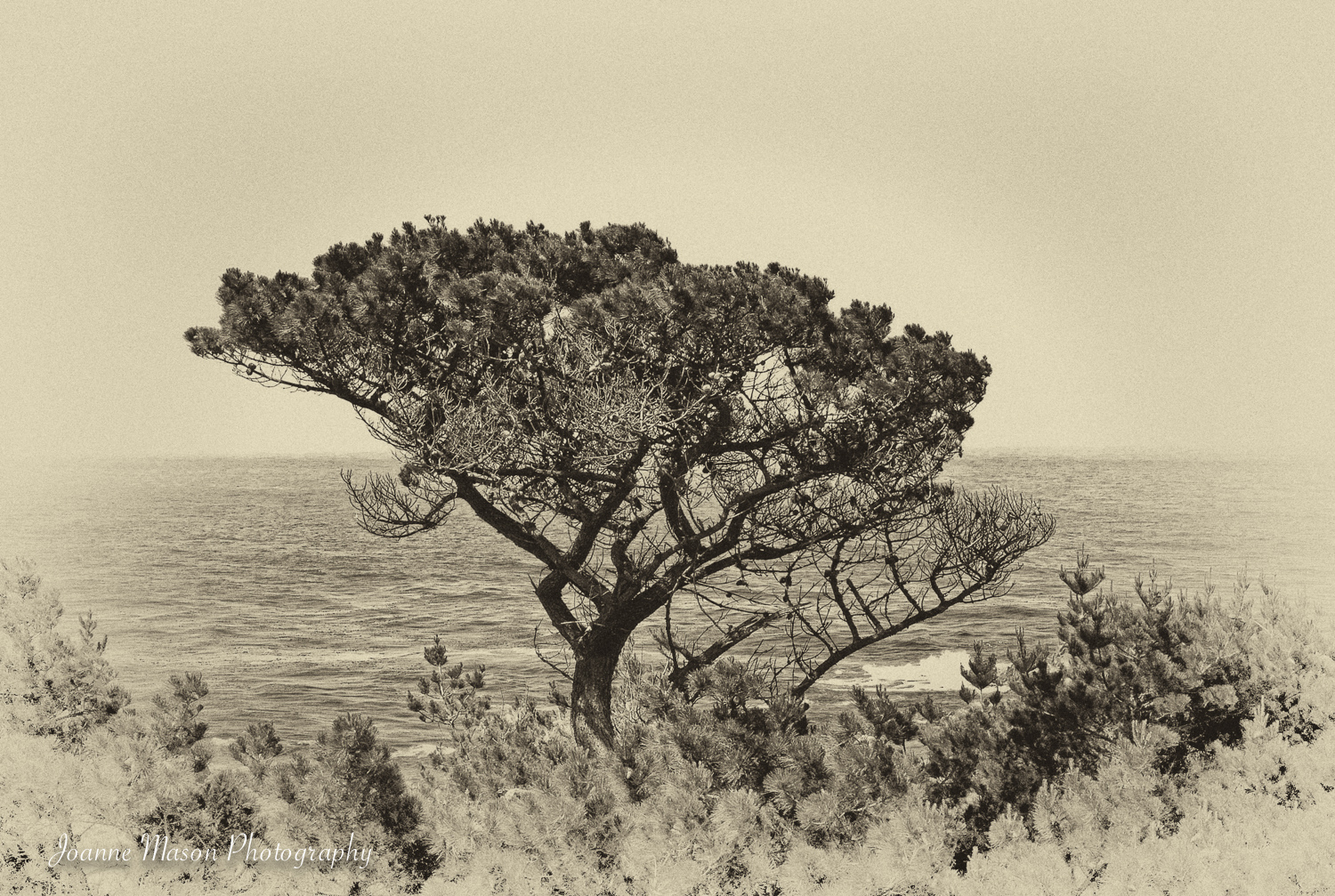
The resulting pictorialist images are characterized by a soft focus and an emphasis on depicting natural scenes rather than artificial laboratory photos or formally posed portraits. This stylistic choice imbued images with a dreamlike quality, inviting viewers to engage with the subject matter on a deeper emotional level. In honoring this tradition, I have created a selection of digitally processed images designed to reflect the unique aesthetics and principles typical of the pictorialists of the Secessionist Movement, capturing the essence and spirit of their groundbreaking approach to the art of photography.


More about the Secessionist Movement in Photography: Wikipedia – Photo Secession
What is Pictorialism in Photography?
Complete downloadable archive of Camera Work magazine
Gallery of selected photographs published in Camera Work


Leave a ReplyCancel reply